
The Supreme Court bench of Justice Satish Chandra Sharma and Justice Nongmeikapam Kotiswar Singh on November 16, 2026 dissolved the marriage of Ankit Saraiya and Pooja Saraiya while exercising powers under article 142 of the constitution. Their settlement was valued at Rs 75 crore. The order ended multiple matrimonial, civil and criminal proceedings between the parties.
Ankit and Pooja married on January 31, 2013. Their son Reyansh Saraiya was born on May 8, 2017. Disputes led to several proceedings, including a complaint under the Protection of Women from Domestic Violence Act, 2005.
In February 2025 the trial court directed monthly payments of Rs 90,000 towards the child's upbringing, education and maintenance and Rs 60,000 towards alternative accommodation for the mother and child. The matter later came to the Supreme Court after proceedings before the Calcutta High Court over possession of the matrimonial home and alternative accommodation expenses.
During the pendency of the appeal the bench encouraged an amicable resolution. Negotiations followed. Both sides told the court they had settled all disputes.
Alimony, trust and Kolkata home handover
Under the settlement the husband agreed to pay Rs 30 crore to the wife as permanent alimony and Rs 45 crore towards the minor son's welfare, with the latter amount to be held by the mother in trust for the child. The trust is to provide for purchase of residential accommodation worth up to Rs 5 crore.
Residence in that property will remain with the mother until she remarries or the son turns 25, whichever occurs earlier. If she remains unmarried at that stage, any continued right of residence will depend on the son's discretion.
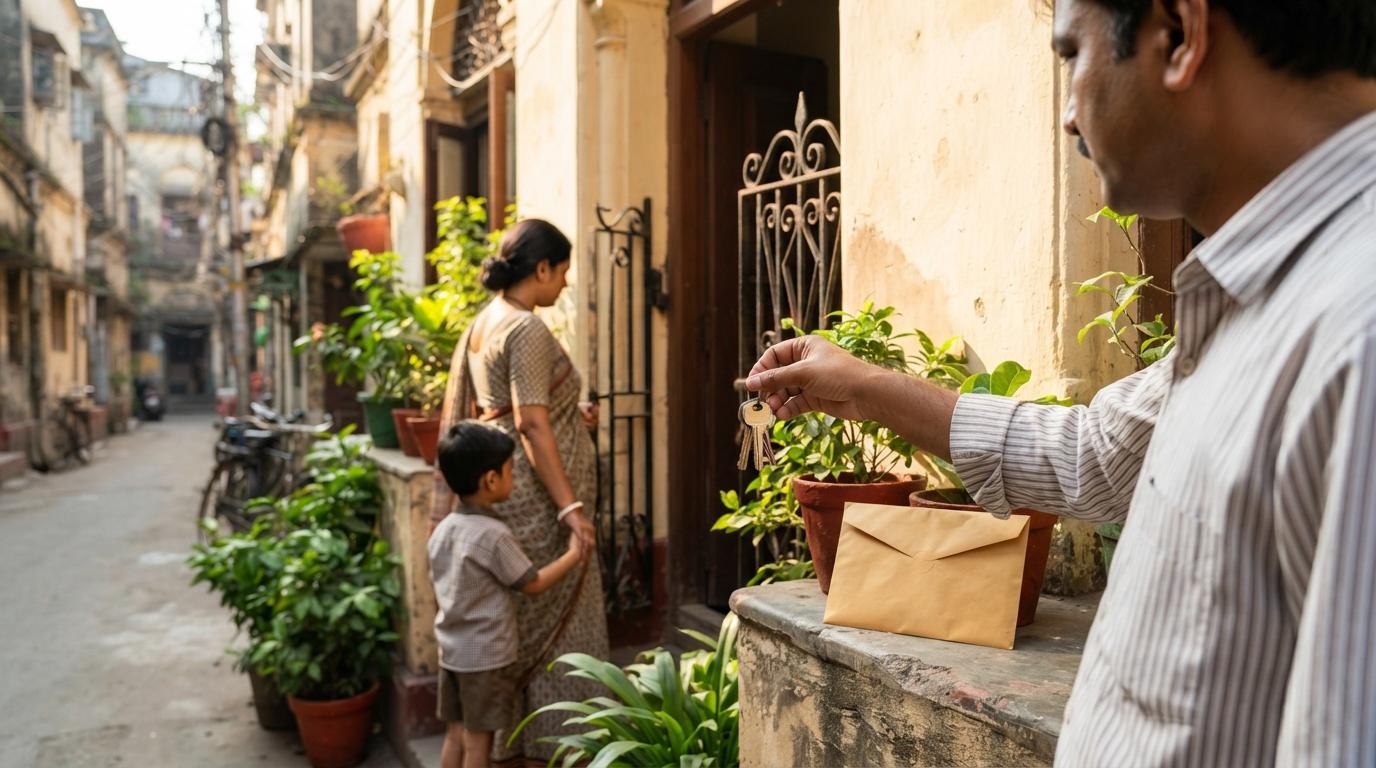
Payment of the permanent alimony is to be made by demand draft at the time of handing over the keys and vacant, peaceful possession of the Kolkata family home, an exchange the order requires within one week. The settlement also provides for closure of pending matrimonial disputes, domestic violence proceedings, First Information Reports and connected civil litigation.
On the parenting plan submitted by the appellant-husband, the bench said it would remain unchanged. It observed: "We have considered the Parenting Plan submitted by the Appellant-Husband. It shall remain same. In the event of any disagreement between the Parents concerning the interpretation, implementation or operation of the Parenting Plan, or in the event that either Parent seeks any modification to the arrangements contained therein, the Parents shall make a good faith effort to resolve the issue amicably, keeping the best interests and welfare of the Child as the paramount consideration as also mentioned in the Clause J of the Parenting Plan submitted by the Appellant-Husband, titled “Disagreements, Modification of Plan and Non-Compliance”.”
Explaining its use of extraordinary powers, the bench held: "Having regard to the settlement arrived at between the parties and in order to give complete and effective quietus to the disputes between them, we deem it appropriate to exercise the powers conferred upon this Court under Article 142 of the Constitution of India." The bench dissolved the marriage, directed both sides to abide by the settlement including the arrangements for the minor son, and disposed of the appeal.
Comments
Sign in to read the discussion and share your thoughts.
Latest from LawWorld
News
View all- Karnataka High Court Quashes Rs 25,000 RTI Penalty, Finds Misuse By Serial Applicant17 Nov 2026
- Karnataka High Court Remands Customs Case For Denial Of WhatsApp Evidence And Section 138-C Certificate17 Nov 2026
- Karnataka High Court Quashes Gold Theft Case Against Jewellers, Seeks Police SOP On Theft Probes17 Nov 2026
- Karnataka High Court Quashes Criminal Case Against Maruti Suzuki Directors Over Failure To Implead Company17 Nov 2026
- Supreme Court Upholds Stay of Conviction for Azam Khan, Extends Relief to Family17 Nov 2026
Articles
View all- Supreme Court Proposes Systematic Scrutiny of High Court Judgments for Gender-Insensitive Remarks17 Nov 2026
- Supreme Court Confines OBC Creamy Layer PSU Ruling But Applies Principle to UPSC CSE 2025 Allocation16 Nov 2026
- Article 22(2) Clock Starts at Curtailment of Liberty, Not Formal Arrest: Supreme Court in NDPS Bail Case15 Nov 2026