
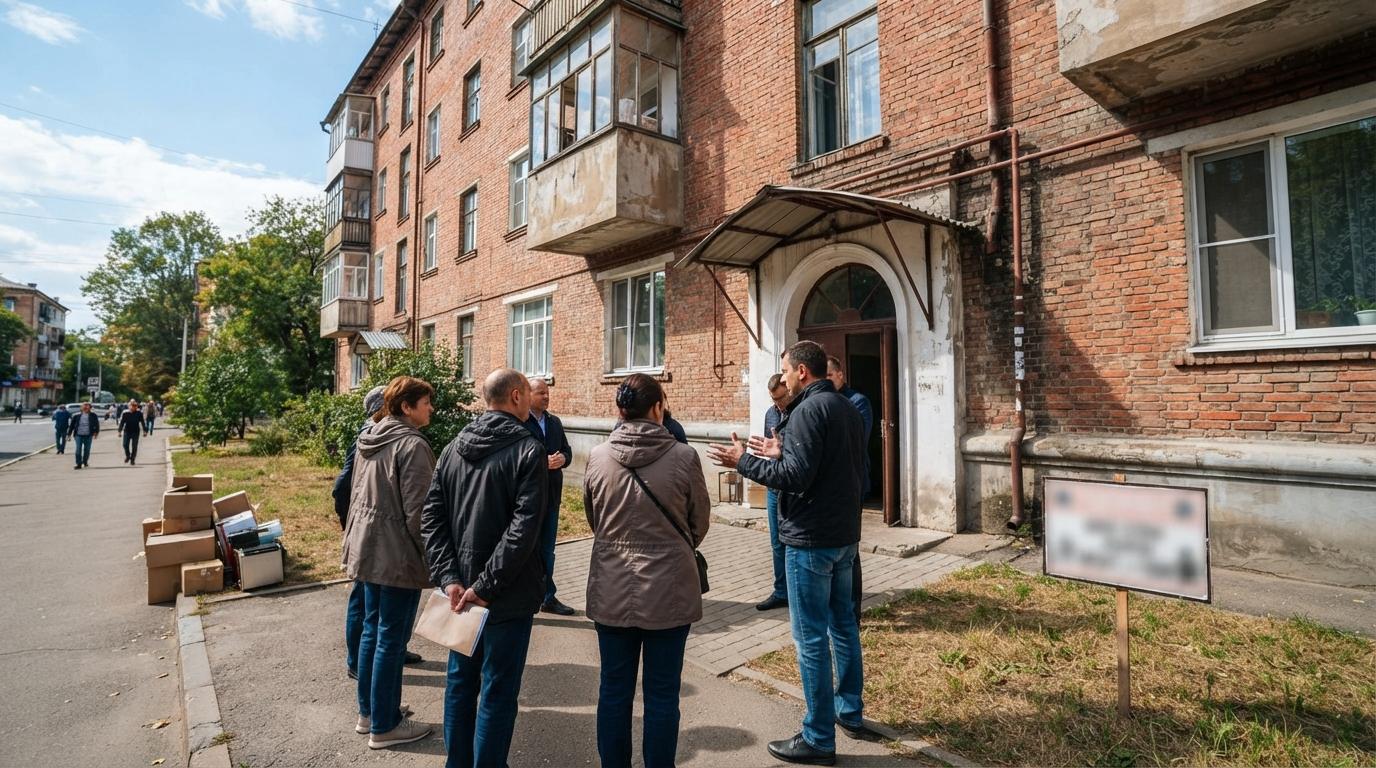
The Supreme Court partly allowed the connected appeals in Ranjit Singh & Anr. vs State of Uttarakhand & Ors. The 2001 eviction suit concerns premises occupied by the State of Uttaranchal, now Uttarakhand. Defence was struck out after the hearing was advanced without notice. That order was illegal, the Court held, and it restored the suit on condition of monthly deposits.
Filed by the first respondent and Shanti Devi — since deceased and shown as third respondent — the suit sought eviction for alleged non-payment of rent at Rs 86,232 per month from 1 September 1993. Termination under Section 106 of the Transfer of Property Act, 1882 was pleaded for recovery of possession.
Defendants asked for time to file the written statement. The trial court ordered ex parte proceedings on 22 April 2002 and fixed 30 May 2002 for hearing. It then took up the matter on 3 May 2002, with no notice to the defendants or their advocates, and struck out the defence.
Amended description not served
Plaintiffs later got leave to amend the description of the suit property. The amended plaint was not served. An ex parte decree came on 24 August 2002.
Blamed in part for delaying the trial, the defendants lost in revision and review. Advancing the hearing without notice to the defendants or their advocates violated natural justice, the Court said.
Even if no written statement is filed and the suit goes ex parte, the defendant retains a limited right to cross-examine the plaintiff's witnesses and object to defects apparent in the plaintiff's own case, it observed. With the amended pleading unserved, those procedural defects called for interference despite the earlier delay.
On restoration, the Court recorded that rent at the contractual rate stood deposited up to date. To offset delay, it ordered an ad hoc deposit of Rs 1,00,000 per month from 14 July 2014, payable within two months after adjustment of sums already paid. Default would revive the decree.
That sum must continue each month till the suit is decided. If paid, the orders for ex parte proceedings and striking out the defence stand set aside, and the trial court will reconsider the defence application afresh. Title and other merits remain undecided. The suit, pending since 2001, must now be decided on priority. The connected appeals were disposed of.
Comments
Sign in to read the discussion and share your thoughts.
Latest from LawWorld
News
View all- Supreme Court Protects Birbhum Stone Quarry Accused From Coercive Action Till December 521 Nov 2026
- Supreme Court Orders Medical Examination Of 70-Year-Old Convict In 1981 Dumka Double Murder21 Nov 2026
- Supreme Court Caps Arbitral Award To Monetary Limit Of Referred Dispute21 Nov 2026
- Karnataka High Court Quashes Summoning Order Against Head Constable, Orders Fresh Process21 Nov 2026
- Karnataka High Court Upholds IGST Export Refund After Omission of Rule 96(10)21 Nov 2026