
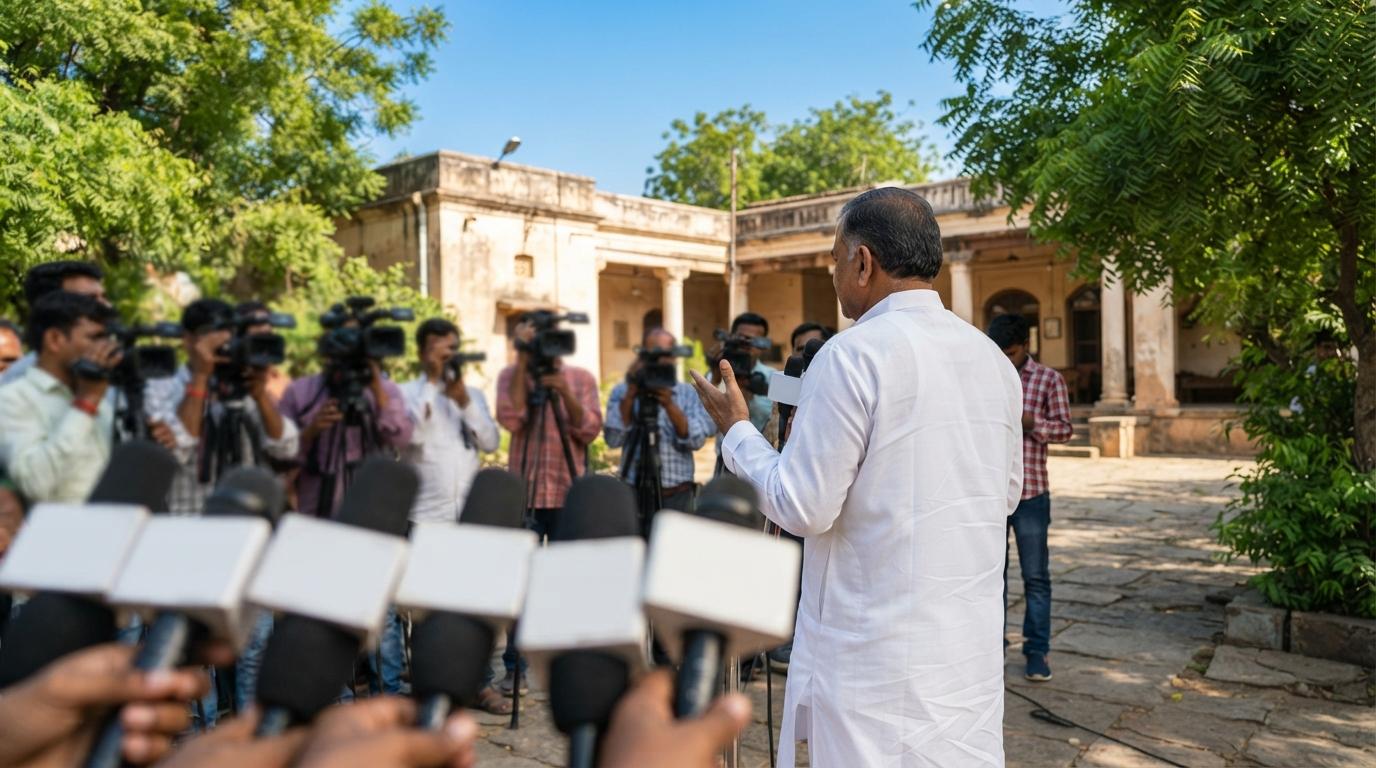
The Karnataka High Court bench of Justice Anant Ramanath Hegde on November 12, 2026 dismissed a criminal petition by Vijayapura City MLA Basanagouda Ramanagouda Patil Yatnal seeking to quash a criminal defamation complaint filed by Congress MLA Shivananda S. Patil.
According to the order, the complaint traces to remarks attributed to the petitioner in an interview that was broadcast on April 30, 2025 and formed the basis for initiation of criminal defamation proceedings. The quashing plea challenged the legality of taking cognizance in that complaint and raised a specific objection anchored in Explanation 4 to Section 356(1) of the Bharatiya Nyaya Sanhita, 2023, a provision which the order notes corresponds to Section 499 of the Indian Penal Code. The objection before the single bench was that a defamation prosecution cannot proceed to cognizance unless the complainant examines a witness other than himself to depose that his reputation had been lowered in the estimation of others.
No Mandatory Third Witness at Cognizance
Justice Hegde rejected that reading. Explanation 4, as recorded in the order, does not lay down a mandatory rule requiring examination of an additional witness at the stage of taking cognizance in every defamation complaint. The order states that the need for such a separate statement on loss of reputation depends entirely on the nature of the imputation set out in the complaint and cannot be applied as a fixed procedural prerequisite. This conclusion, the bench said, was confined to the quashing stage and left the merits of the rival claims untouched for trial.
All contentions raised in the quashing petition remain open for adjudication by the trial forum on the basis of evidence to be led by both sides. The trial court will now proceed with the criminal defamation complaint. It will assess the material independently, without treating the High Court's observations on cognizance as a determination of guilt or innocence. The accused will have full liberty to raise all defences available in law during the course of the trial.
Comments
Sign in to read the discussion and share your thoughts.
Latest from LawWorld
News
View all- Supreme Court Bars Customs Refund Without Challenge to Self-Assessment15 Nov 2026
- Karnataka High Court Restores GST Appeal Dismissed for 226-Day Delay15 Nov 2026
- Karnataka High Court Holds Adulterer Is Proper But Not Necessary Party in Divorce Plea15 Nov 2026
- Karnataka High Court Quashes SC/ST Act Complaint Against Bharat Forge Chairman Over 11-Year Delay15 Nov 2026
- Karnataka High Court Directs Review of Mental Health Policies for Armed Personnel While Quashing Suicide-Attempt Case15 Nov 2026
Articles
View all- Article 22(2) Clock Starts at Curtailment of Liberty, Not Formal Arrest: Supreme Court in NDPS Bail Case15 Nov 2026
- Supreme Court Upholds Bihar Special Intensive Revision of Electoral Rolls14 Nov 2026
- Seven-Judge Constitution Bench Holds Decades-Old State Sales Tax Surcharge Reference Academic After GST6 Nov 2026