
Karnataka High Court Orders Police to Issue Look Out Circular in Dowry Case
The Karnataka High Court on October 12, 2026, directed police to take steps for issuing a Look Out Circular against a husband accused of dowry harassment and cruelty. Justice Anant Ramanath Hegde passed the interim order in Mrs. K v. State of Karnataka & Anr., reversing an earlier decision by the Chief Metropolitan Magistrate who had rejected the wife's application for an LOC.
The husband faces charges under Sections 85, 352, and 351(2) of the Bharatiya Nyaya Sanhita, 2023, and Sections 3 and 4 of the Dowry Prohibition Act, 1961. He works in France but is currently in India to reissue a lost passport. The bench directed hand delivery of the order to police and scheduled the case for hearing two weeks later.
Magistrate's rejection and High Court review
The wife initially sought an LOC from the Chief Metropolitan Magistrate. That application was rejected, prompting her to petition the High Court. The magistrate's refusal to issue the circular, despite allegations of dowry and cruelty, led Justice Hegde to intervene.
The charges invoke the Bharatiya Nyaya Sanhita, 2023, which replaced the Indian Penal Code. Section 85 covers cruelty by a husband or his relatives. Sections 352 and 351(2) address criminal intimidation and criminal force. The Dowry Prohibition Act charges indicate allegations of dowry demands or acceptance—conduct prohibited for nearly 65 years under Indian law.
How a Look Out Circular works
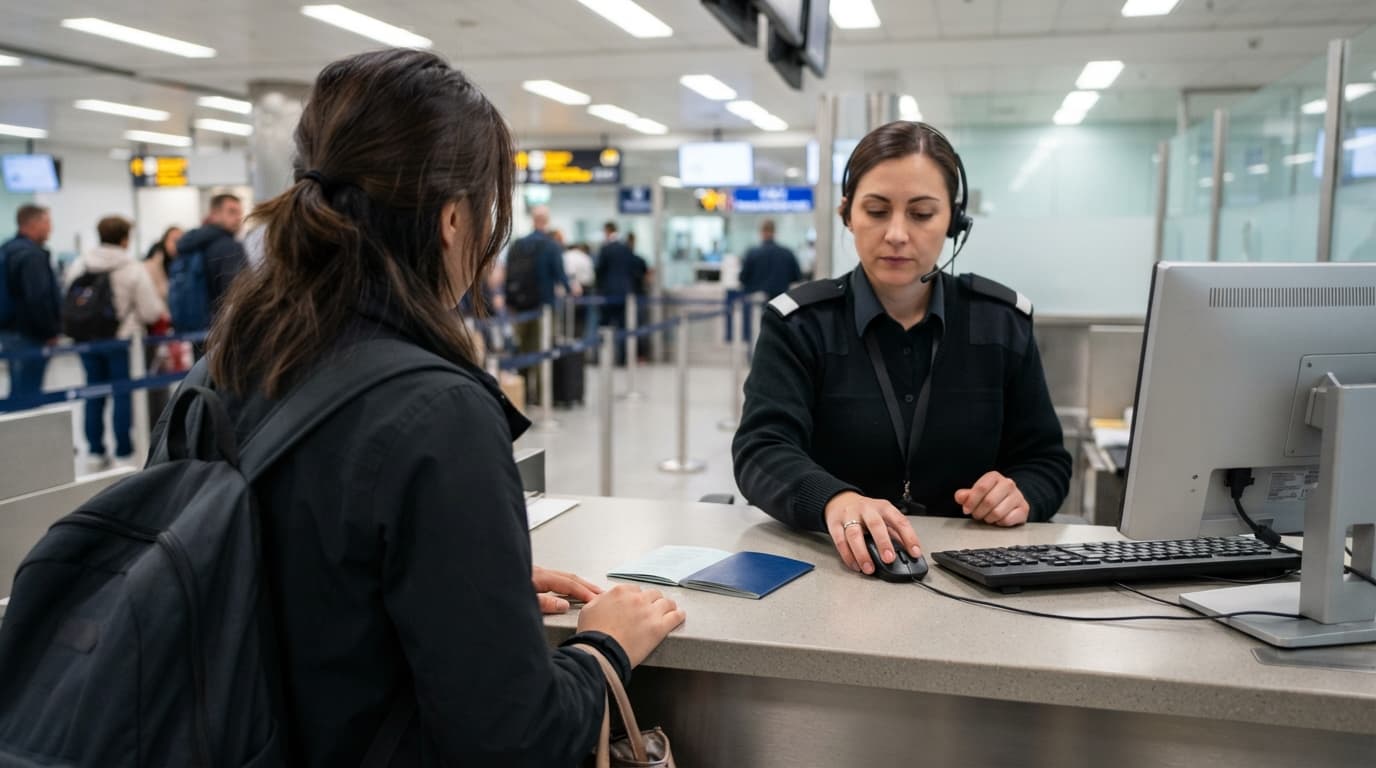
A Look Out Circular is a preventive measure that alerts immigration authorities and airport officials to detain a person if they attempt to travel. It does not amount to arrest but flags the system to prevent the accused from leaving the country or evading court jurisdiction.
Justice Hegde's direction overrides the lower court's decision. The High Court found sufficient grounds to believe the accused posed a flight risk or might evade legal process. His current presence in India for passport reissuance may have influenced the court's decision to act immediately.
The interim order remains in force until the next hearing, two weeks from October 12, 2026. The court may then convert it into a final direction or modify its terms based on further submissions.
Dowry offences in Indian law
Downry-related crimes rank among the most frequently prosecuted offences under Indian law. The Dowry Prohibition Act, 1961, criminalises the giving, taking, or abetting of dowry. Section 3 makes it an offence to give or abet the giving of dowry; Section 4 penalises demand, acceptance, or abetting of acceptance.
Cruelty by a husband or his relatives, now covered under Section 85 of the Bharatiya Nyaya Sanhita, 2023, persists in matrimonial disputes. Courts recognise that harassment over dowry often manifests as cruelty within the statute's meaning, encompassing both physical and mental harm.
Downry offences and cruelty charges frequently intersect in matrimonial cases. Women's rights organisations and the judiciary have consistently held that dowry demands, often accompanied by harassment or threats, violate the wife's fundamental rights and dignity.
Why courts issue Look Out Circulars
Look Out Circulars serve as a critical tool when investigating serious crimes, particularly where the accused has access to international travel or is likely to abscond. The circular reaches all ports of entry and exit—airports, seaports, and land borders—to prevent the accused from leaving the country.
In dowry and cruelty cases, an LOC proves crucial because family members often possess means to flee. The accused's employment abroad makes the flight risk acute. Justice Hegde's decision reflects the court's assessment that the charges' gravity and circumstances warrant such a measure.
The investigating officer typically applies to the police commissioner or designated authority for an LOC. Here, Justice Hegde's order directs police to take steps for issuance, requiring them to process the application immediately.
Why the magistrate's decision was reversed
The Chief Metropolitan Magistrate's rejection of the LOC application raises questions about the lower court's reasoning. While the order does not detail the magistrate's grounds, the High Court's reversal suggests the magistrate's decision was erroneous or circumstances had changed by the time the matter reached the High Court.
Hand delivery of the order ensures police receive it directly and cannot claim ignorance of the court's direction. This procedural safeguard guarantees compliance. The two-week posting allows a follow-up hearing where the court can verify whether the LOC has been issued and whether further steps are necessary.
The case demonstrates the importance of approaching the High Court when lower courts' decisions appear inadequate or circumstances warrant immediate intervention. Article 226 of the Constitution empowers the High Court to issue directions to authorities to perform their duties, exercised here to protect the wife's interests.
What comes next
Following Justice Hegde's order, police must initiate the LOC issuance process. The circular will reach the Directorate General of Civil Aviation, port authorities, and immigration officials. Once issued, it remains in effect until revoked by competent authority or until the court disposes of the case.
The husband, currently in India, cannot leave once the LOC is issued. Any attempt to board a flight or travel by other means will result in detention by immigration authorities, potentially forcing him to engage with the legal process and answer the allegations.
The case returns to court two weeks from October 12, 2026. The court will examine the LOC's status and hear further arguments. The wife's counsel may seek interim maintenance or protection orders, while the husband's counsel may challenge the LOC or argue for its revocation. By directing the issuance of the Look Out Circular, the High Court has signalled that dowry and cruelty cases require careful scrutiny and that the victim's interests must receive due weight in deciding whether preventive measures are warranted.
Comments
Sign in to read the discussion and share your thoughts.
Latest from LawWorld
News
View all- Karnataka High Court Grants Six-Day Interim Bail to KPSC Scam Accused for Daughter's Naming Ceremony13 Oct 2026
- Karnataka High Court Disposes Petition After State Notifies SOP for Underage Pregnancies13 Oct 2026
- Karnataka High Court Strikes Down SC/ST Quota Law Exceeding 50% Constitutional Ceiling13 Oct 2026
- Supreme Court Issues Contempt Notices Over Metro Restrictions and Detentions During Delhi Protests13 Oct 2026
- Opposition Leaders File Supreme Court Petition Against Election Commission Over Electoral Roll Irregularities13 Oct 2026
Articles
View all- Supreme Court Refers DPDP Act Constitutional Challenge to Five-Judge Bench: RTI vs. Privacy Rights at Stake12 Oct 2026
- Supreme Court Disposes PIL on Doxxing and Deepfakes; Directs Union Ministries to Implement Remedial Measures8 Oct 2026
- Supreme Court Issues Notice on Constitutional Challenge to GST Input Tax Credit Denial Provision7 Oct 2026
Blogs
View all- Supreme Court Orders Priority Hearing for Pension Cases: A Decade-Long Wait Deemed 'Grave Injustice'12 Oct 2026
- Supreme Court Clarifies Gratuity Calculation: Monthly Wages Divided by 26 Working Days, Not 3011 Oct 2026
- Supreme Court Affirms Damages Recovery for Delayed Provident Fund Contributions Without Time Limit10 Oct 2026