
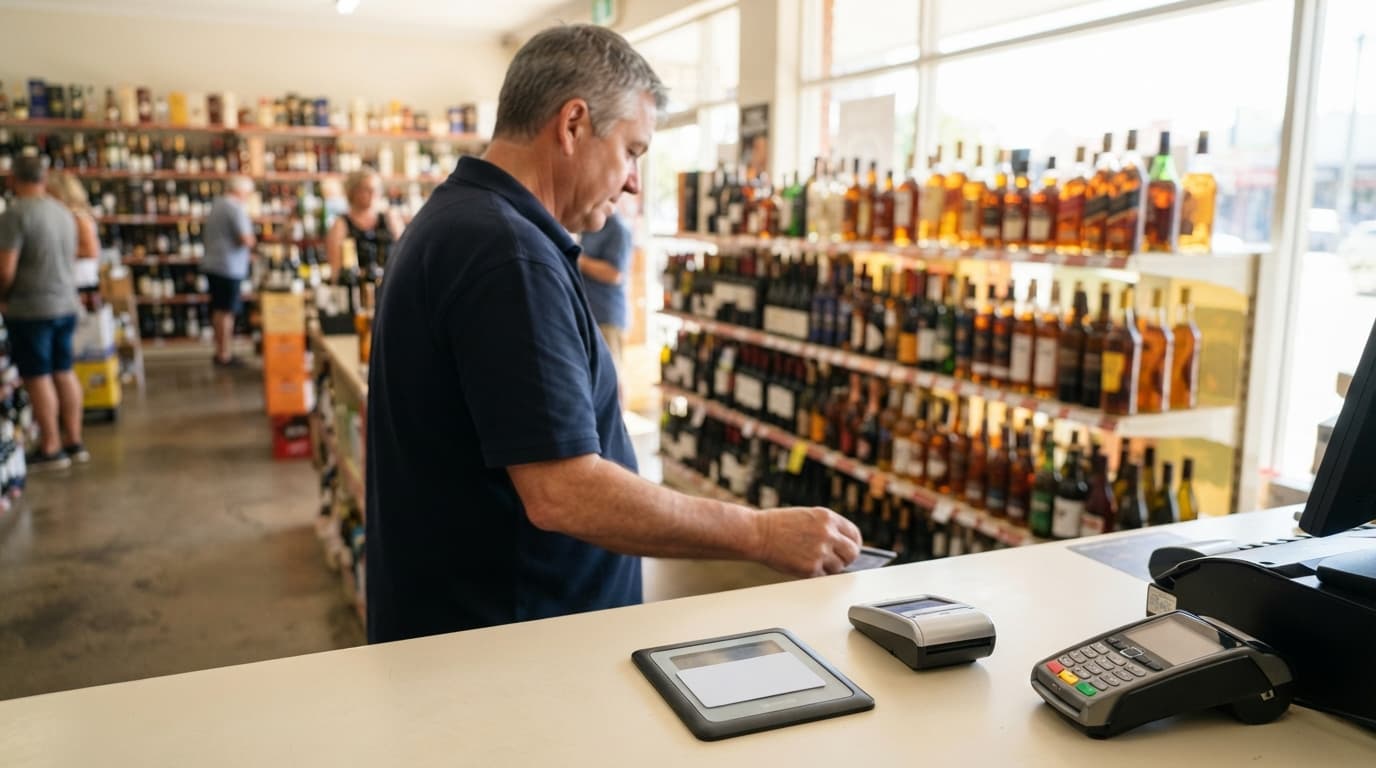
Supreme Court Presses Union on Age Verification at Liquor Outlets
The Supreme Court on October 14, 2026, questioned the Union government's silence on a Public Interest Litigation that seeks to establish strict age-verification mechanisms at liquor outlets across India. During the hearing, the bench orally expressed concern about the government's failure to appear and respond despite being served notice months earlier, asking pointedly whether the Union takes the matter seriously.
The PIL was filed by Community Against Drunken Driving (CADD), a non-governmental organisation focused on reducing alcohol-related harm. The petition seeks a court direction to implement a uniform age-verification system at liquor shops nationwide, aimed at curbing the widespread problem of underage drinking. Senior Advocate PB Suresh, appearing for the petitioner, argued that while individual states do regulate alcohol sales by age, the absence of a standardised verification mechanism at the point of sale has enabled minors to purchase liquor with relative ease.
Notice and Timeline
The Supreme Court had issued notice to the Union government on November 11, 2024, initially returnable in three weeks. That deadline passed without the government filing a substantive response. On October 14, the bench indicated its frustration with this inaction and granted the Union a fresh four-week window to submit its formal counter-affidavit. The Court also directed the Solicitor General to appear in person at the next hearing, signalling the seriousness with which it views the delay.
The Core Issue
Underage drinking remains a persistent public health challenge in India. While the prohibition of sale of alcohol to a person below eighteen years of age is well-established in state-level alcohol licensing laws, enforcement at retail points has proven inadequate. The absence of a mandatory, standardised age-verification protocol means that verification often depends on the vigilance of individual shopkeepers, many of whom lack proper training or face commercial pressure to overlook age restrictions.
Senior Advocate Suresh highlighted during the hearing that states possess regulatory authority over alcohol sales, but this authority has not translated into effective mechanisms to prevent underage access. The petitioner's case rests on the premise that a uniform, centrally mandated verification system would address this gap by establishing clear procedures, training requirements, and accountability measures across all liquor retail points.
Regulatory Landscape
Alcohol regulation in India is primarily a state subject under the Indian Constitution. Each state frames its own Excise Act and licensing rules, which typically include age restrictions for purchasers. However, the implementation of these restrictions varies significantly. Some states have begun exploring digital verification systems or point-of-sale checks, but there is no national standard.
The PIL does not seek to usurp state authority but rather asks the Supreme Court to direct the Union government to work with states in establishing minimum standards for age verification. This could include requirements such as identity document checks, staff training on age identification, signage mandates, and periodic audits of compliance.
Government's Absence
The Union government's failure to respond promptly has drawn judicial notice. In matters of public health and child welfare, courts typically expect the government to engage substantively rather than delay. The bench's oral remarks questioning the government's seriousness suggest that mere procedural compliance will not satisfy the Court. The government will need to present either a concrete plan to address the issue or articulate reasons why such a mechanism is impractical or unnecessary.
The Solicitor General, who represents the Union in the Supreme Court, will now be expected to appear personally at the next hearing. This is a procedural signal that the case has moved beyond routine listing and requires senior government representation.
Parallel Petition on Packaging
This PIL arrives amid growing judicial attention to alcohol-related harms in India. The Supreme Court has previously engaged with questions around alcohol packaging, advertising, and accessibility. In a related matter heard by a separate bench comprising Justices Vikram Nath, R. Mahadevan, and Aparesh Kumar Singh, the Court granted the Union four weeks to respond to a petition filed by CADD challenging the sale of alcoholic beverages in packaging that features fruit imagery and minimal disclosure of alcoholic content, which the petitioner argues makes such products appealing to minors.
That petition highlighted the contrast between alcohol regulation and tobacco regulation in India. Tobacco products carry statutory health warnings and face strict packaging and advertising restrictions. Alcoholic beverages, despite their documented harms, particularly to young people, face comparatively lighter regulation in these areas. The petitioner's advocate in that case, Vipin Nair, drew the Court's attention to the absence of statutory warnings on alcoholic beverages comparable to those mandated for tobacco.
Practical Implications
If the Supreme Court grants the relief sought in the current PIL, the practical implications could be substantial. A mandatory age-verification mechanism might require training and certification of retail staff in age identification and verification procedures, implementation of point-of-sale systems that flag age-restricted purchases and require additional verification steps, regular audits and spot checks by state excise authorities to ensure compliance, and penalties for retail outlets that fail to implement or follow the prescribed verification protocol.
Such measures would impose compliance costs on liquor retailers and require coordination between the Union government, state excise departments, and retail businesses. The Union's response will likely address the feasibility, cost, and administrative burden of such a system.
What Comes Next
The Union government now has four weeks from October 14, 2026, to file its counter-affidavit. This response will set the terms of the substantive debate. The government may propose its own framework, object to the petition on jurisdictional grounds, or argue that existing state-level mechanisms are sufficient. CADD will then have an opportunity to file a rejoinder, and the case will likely proceed to substantive hearings.
The bench's direct intervention and the Solicitor General's expected appearance suggest that the Court is inclined to engage with the merits of the petition. Whether the Court ultimately issues a direction will depend on the government's response and the bench's assessment of the constitutional and practical dimensions of the relief sought. For now, the immediate outcome is clear: the Union government must respond within four weeks, and the matter will not be allowed to languish further.
Comments
Sign in to read the discussion and share your thoughts.
Latest from LawWorld
News
View all- Supreme Court Seeks Union Counter-Affidavit on Fruit-Themed Alcohol Packaging14 Oct 2026
- Supreme Court Grants Absolute Protection from Arrest to Journalist Reporting Ayodhya Temple Allegations14 Oct 2026
- CJI Surya Kant Declines Meeting with Opposition Leaders on Electoral Commission Allegations14 Oct 2026
- Supreme Court Advances Delhi Electoral Roll Petition Hearing to October 2814 Oct 2026
- Supreme Court Mandates Insurance Coverage for All Offline Train Tickets from October 2714 Oct 2026
Articles
View all- Supreme Court Refers DPDP Act Constitutional Challenge to Five-Judge Bench: RTI vs. Privacy Rights at Stake12 Oct 2026
- Supreme Court Disposes PIL on Doxxing and Deepfakes; Directs Union Ministries to Implement Remedial Measures8 Oct 2026
- Supreme Court Issues Notice on Constitutional Challenge to GST Input Tax Credit Denial Provision7 Oct 2026
Blogs
View all- Supreme Court Awards Compensation for Delayed Wages of Daily-Wage Workers14 Oct 2026
- Supreme Court Orders Priority Hearing for Pension Cases: A Decade-Long Wait Deemed 'Grave Injustice'12 Oct 2026
- Supreme Court Clarifies Gratuity Calculation: Monthly Wages Divided by 26 Working Days, Not 3011 Oct 2026