
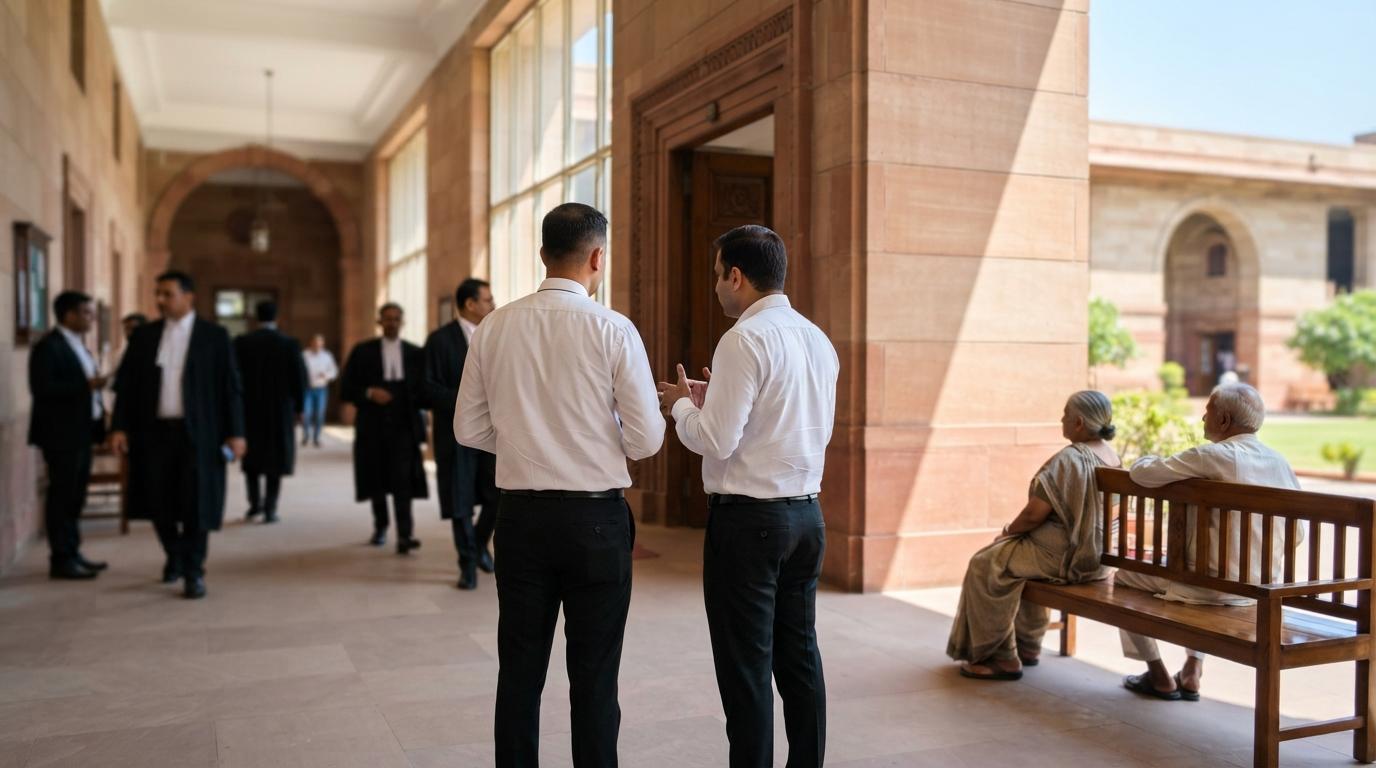
On November 25, 2026, the Supreme Court issued notice to Delhi Police on the bail pleas of Umar Khalid and Sharjeel Imam in the 2020 Delhi riots larger conspiracy case under the Unlawful Activities (Prevention) Act, 1967. It refused interim bail for now and asked the registry to place the files before the Chief Justice of India for a three-judge Bench. Chief Justice Surya Kant sat with Justices Joymalya Bagchi and V. Mohana.
Khalid and Imam have challenged the Delhi High Court's September 30 order rejecting their fresh bail pleas. They say the case is still at framing of charges and trial is yet to start. Senior advocates Kapil Sibal for Khalid and Siddharth Dave for Imam sought interim relief till the reference is decided, pointing to over six years in custody since arrests on August 25, 2020 and September 13, 2020 respectively.
More than 900 witnesses remain to be examined, the pleas state. Khalid's plea cited failure to examine protected witnesses and said continued jail after expiry of the one-year embargo imposed by an earlier order would violate Article 21 of the Constitution.
"Not today," the Bench replied, saying the prosecution must be heard before any interim order. It added, "We will not hear it today... We will have to constitute a larger Bench in light of the observations made in the order dated May 22, 2026 passed in Tasleem Ahmed v. State of NCT of Delhi."
Counsel for Khalid said, "Only the main matter on the legal issue is under reference. Let the issue of interim come up for hearing," and sought early listing of the interim prayer.
Question for three-judge Bench
The reference is whether prolonged undertrial custody and delay can override the bar under Section 43D(5) of the UAPA, which bars bail where there are reasonable grounds to believe the accusations are prima facie true, read with the 2021 ruling in Union of India v. K.A. Najeeb. In Najeeb, the court had held the embargo could "melt down" where long custody and delay hit fundamental rights.
Chief Justice Surya Kant pointed to conflicting readings and observed, "In the light of the conflict of observations, I have to apply my mind... One Bench says Najeeb means this, another Bench says it does not mean... We are aware of everything. We have done our homework and have gone through the January 5 judgment."
That January 5 verdict by a Division Bench headed by Justice Aravind Kumar gave bail to five other accused in the same conspiracy case. It denied relief to Khalid and Imam, saying the roles attributed to them stood on a "qualitatively different footing." It allowed them to renew bail pleas after a year or on completion of examination of protected witnesses, whichever was earlier.
On May 18, a Division Bench of Justices B.V. Nagarathna and Ujjal Bhuyan granted bail in a narco-terrorism case. It held statutory bail curbs could not eclipse personal liberty and speedy trial under Article 21. That Bench expressed "serious reservations" about the January 5 judgment, saying it had failed to correctly apply the binding principles in Najeeb.
Four days later, the Justice Kumar-headed Bench said the "proper course" was to place the matter before the Chief Justice for a larger Bench to ensure "parity, consistency and institutional fidelity" in application of binding precedents by coordinate Benches. It gave interim bail for six months to co-accused Tasleem Ahmed and Abdul Khalid Saifi, saying the accused "cannot be made to suffer" only because an important question of law had arisen for settlement.
The case stems from the February 2020 violence in northeast Delhi amid protests against the Citizenship (Amendment) Act, 2019 and the National Register of Citizens. Khalid's counsel cited that May 22 interim relief to seek similar temporary release. Both men stay in custody until Delhi Police responds and the larger Bench decides the legal issue and the interim prayer.
Comments
Sign in to read the discussion and share your thoughts.
Latest from LawWorld
News
View all- Supreme Court Refers SARFAESI Priority Dispute With Depositor Law To Larger Bench27 Nov 2026
- Supreme Court Rules Mere Objections In Protest Petition Are Not A Complaint27 Nov 2026
- Supreme Court Quashes Bihar Remission To Anand Mohan In IAS Officer Murder Case27 Nov 2026
- Supreme Court Acquits Rape Accused For Lack Of Medical Evidence27 Nov 2026
- Supreme Court Mandates Separate Hexagonal Warnings For Fat, Sugar, Salt26 Nov 2026