
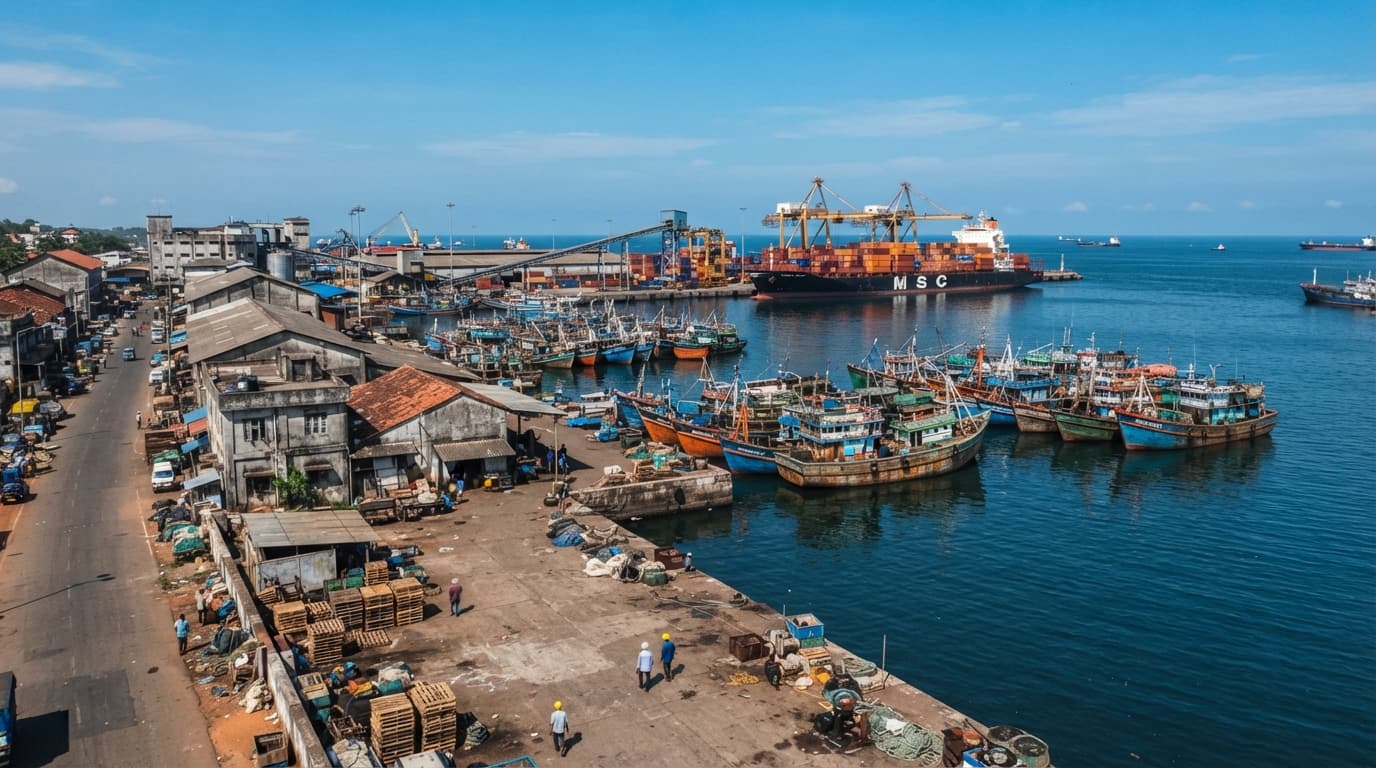
Karnataka to Form Officials' Committee for Establishing Coastal High Court Bench
Karnataka's administration announced on October 12, 2026, that it will constitute an officials' committee to facilitate the establishment of a High Court bench dedicated to coastal development matters. The move reflects the state's recognition that its coastal regions require specialized judicial attention to handle disputes and regulatory oversight tied to maritime commerce, environmental protection, and infrastructure projects.
Coastal development involves legal, environmental, and administrative challenges that intersect with maritime law, environmental protection, land use regulation, and infrastructure projects. By establishing a dedicated bench, the state aims to create a forum equipped to address these issues with focused expertise and streamlined adjudication.
Administrative Framework for Judicial Infrastructure
The committee's primary responsibility will be to work out the practical and administrative details necessary for the bench's establishment. This includes determining the bench's location, defining its territorial jurisdiction, identifying the nature and scope of cases it will handle, and recommending the required judicial and administrative resources.
Coastal regions in Karnataka have witnessed increasing commercial activity, including port operations, fishing industry regulation, tourism development, and marine resource management. Each of these sectors generates legal disputes and administrative matters that currently flow through the existing High Court system without specialized handling.
Establishing a dedicated bench would allow for the development of specialized jurisprudence on coastal matters. Judges assigned to such a bench would develop expertise in the unique legal questions arising from coastal development, including environmental impact assessment, maritime boundaries, fisheries regulation, and the balance between development and conservation.
Strengthening Legal Adjudication in Coastal Areas
The initiative directly addresses the need for enhanced legal adjudication of coastal development projects and related disputes. Currently, matters involving coastal development are heard by the High Court's general benches, where they compete for time and attention with cases from all other sectors of law. A dedicated bench would provide predictable scheduling, specialized knowledge, and focused judicial resources.
Coastal development disputes often involve multiple parties including government agencies, private developers, environmental organizations, and affected communities. These cases frequently raise complex questions about the interpretation of coastal regulation zone rules, environmental clearance procedures, and the enforcement of maritime laws. A specialized bench would be better positioned to understand the technical and regulatory context of such disputes and to render decisions that account for the specific challenges of coastal development.
The bench would also provide a centralized forum for administrative oversight of coastal development projects. Government departments responsible for coastal management, port authorities, and regulatory bodies would have a predictable venue for addressing legal challenges and seeking judicial clarification on regulatory matters.
Anticipated Benefits for Regional Development
The establishment of such a bench is anticipated to strengthen the broader framework for coastal development in Karnataka. By providing specialized judicial infrastructure, the state can facilitate faster dispute resolution, reduce litigation uncertainty, and create a more predictable legal environment for investors and developers.
At the same time, a dedicated bench would ensure that environmental and community concerns are properly heard and adjudicated. Coastal development often involves tensions between economic growth and environmental protection, between development rights and community interests. A specialized bench, through careful jurisprudence, can help establish clear principles for balancing these competing interests.
The committee's work will likely involve consultation with various parties. Judicial officers, legal practitioners based in coastal regions, government departments involved in coastal management, environmental organizations, and industry representatives all have perspectives that could inform the bench's design.
Practical Considerations for Implementation
The formation of the committee represents the beginning of a process that will likely extend over several months. Before the bench can become operational, the committee must complete its work, submit recommendations to the government, and the government must issue formal notification establishing the bench, defining its jurisdiction, and allocating the necessary resources.
The location of the bench will be an important consideration. Coastal districts in Karnataka include areas around Mangalore and Udupi. Placing the bench in a location accessible to coastal parties while maintaining connection to the High Court's main seat in Bangalore will require careful deliberation.
Defining the bench's jurisdiction presents another significant task. Should it handle only civil disputes related to coastal development, or should it also address criminal matters? Should it have appellate jurisdiction over decisions made by administrative bodies? The committee's recommendations on these questions will shape the bench's actual functioning.
Resource allocation is equally crucial. Establishing a dedicated bench requires not only the appointment of judges but also supporting staff, courtroom facilities, and administrative infrastructure. The committee will need to assess the volume of cases likely to come before the bench and recommend an appropriate number of judges and supporting personnel.
Next Steps
The announcement on October 12, 2026, initiates a formal process that reflects the state government's commitment to improving judicial infrastructure in coastal regions. The officials' committee will now begin the detailed work of translating this policy objective into concrete administrative arrangements. Once the committee submits its recommendations, the government will need to consider resource implications, consult with the High Court, and issue the formal notification establishing the bench.
Comments
Sign in to read the discussion and share your thoughts.
Latest from LawWorld
News
View all- Karnataka High Court Grants Bail to Two Accused in Money Laundering Case, Citing Investigation Completion and Trial Delays12 Oct 2026
- Karnataka High Court Sets Aside Tax Revision Proceedings Against Mukesh Bansal in ESOP Classification Case12 Oct 2026
- Supreme Court Launches 'Jan Soochna Seva' Initiative for Public Access to Judgments12 Oct 2026
- Supreme Court to Hear Petition on Lawyers' Difficulties During Delhi Protests12 Oct 2026
- Supreme Court Directs UGC to Issue Public Advisories Against Fake Educational Institutions12 Oct 2026
Articles
View all- Supreme Court Refers DPDP Act Constitutional Challenge to Five-Judge Bench: RTI vs. Privacy Rights at Stake12 Oct 2026
- Supreme Court Disposes PIL on Doxxing and Deepfakes; Directs Union Ministries to Implement Remedial Measures8 Oct 2026
- Supreme Court Issues Notice on Constitutional Challenge to GST Input Tax Credit Denial Provision7 Oct 2026
Blogs
View all- Supreme Court Orders Priority Hearing for Pension Cases: A Decade-Long Wait Deemed 'Grave Injustice'12 Oct 2026
- Supreme Court Clarifies Gratuity Calculation: Monthly Wages Divided by 26 Working Days, Not 3011 Oct 2026
- Supreme Court Affirms Damages Recovery for Delayed Provident Fund Contributions Without Time Limit10 Oct 2026