
Supreme Court Rules on Arbitration in Government Contracts: Implications for PSU Works Across India
LawWorld
Supreme Court Arbitration Ruling Reshapes Government Contract Disputes
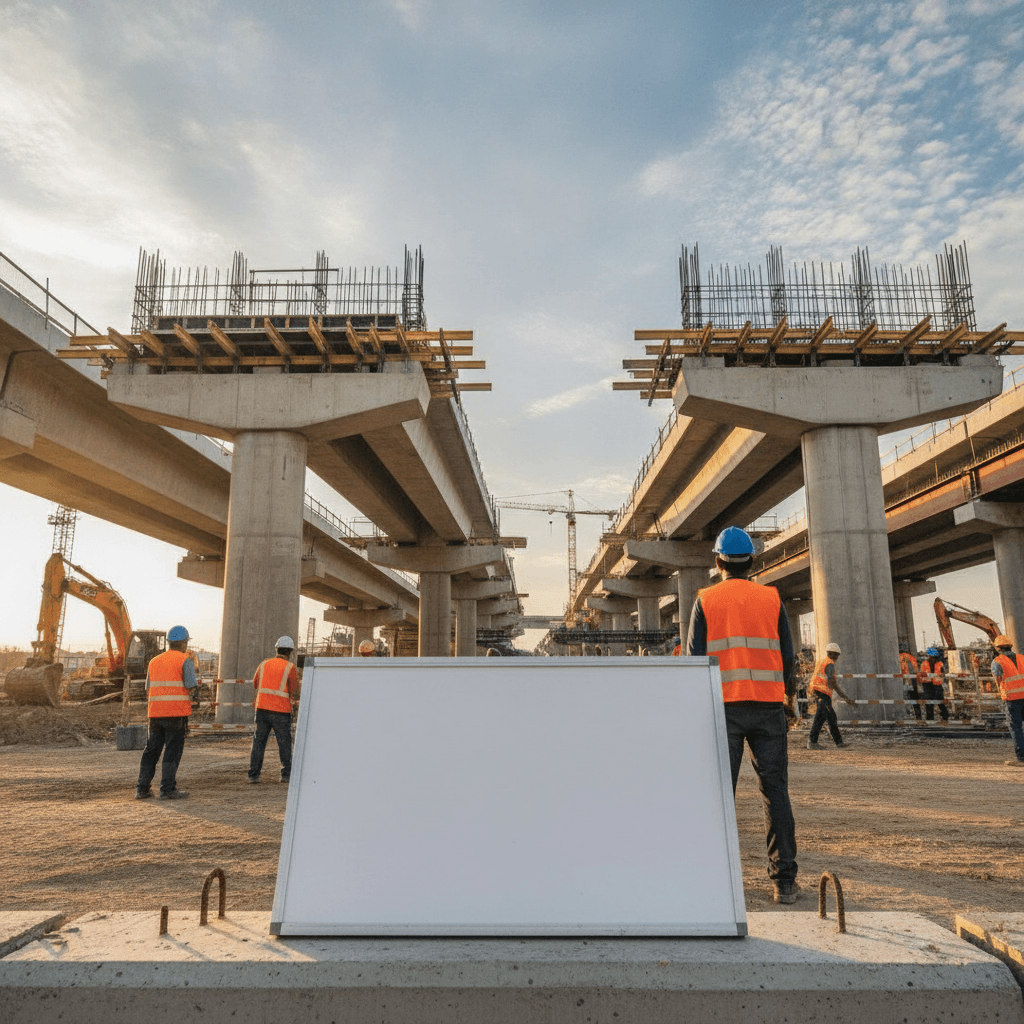
On 8 September 2026, the Supreme Court of India delivered a judgment that will reshape how disputes are resolved in government and public sector undertaking contracts. The ruling extends well beyond railways and affects arbitration frameworks across all government and PSU works contracts, establishing clear principles on the enforceability of arbitration clauses in public procurement. For contractors, engineers, project managers, and government agencies, this Supreme Court arbitration ruling clarifies a question that has created confusion and costly litigation for decades: when can disputes in public contracts be arbitrated rather than fought in court?
The decision addresses a fundamental tension in Indian law. Government contracts have traditionally been treated differently from commercial contracts. Courts have long held that certain disputes involving public money, statutory duties, or matters of public policy cannot be sent to arbitration. Yet the Arbitration and Conciliation Act, 1996, which governs arbitration law in India, permits parties to agree to arbitrate almost any dispute. The Supreme Court's judgment reconciles these competing principles by establishing when public bodies can be held to their arbitration agreements and when they cannot.
Infrastructure projects—roads, railways, ports, power plants—depend on clear rules about how disputes will be resolved. When a contractor and a government agency disagree on payment, delay, or quality, the cost and time of resolution affect project schedules, budgets, and ultimately public service delivery. Arbitration offers speed and finality that court litigation cannot match. A three-member arbitral tribunal can decide a case in months; court cases stretch for years. Yet if government bodies can always escape arbitration by claiming public policy concerns, contractors lose the protection they negotiated for, and both sides face uncertainty.
Keep reading — it’s free.
Create a free LawWorld account to finish this piece and unlock the full library of practice guides written for advocates in India.
- Finish every guide, free
- Save articles to read later
- New practice insights weekly
Free forever. No card required.
Comments
Sign in to read the discussion and share your thoughts.
Latest from LawWorld
News
View all- Supreme Court Bars Customs Refund Without Challenge to Self-Assessment15 Nov 2026
- Karnataka High Court Restores GST Appeal Dismissed for 226-Day Delay15 Nov 2026
- Karnataka High Court Holds Adulterer Is Proper But Not Necessary Party in Divorce Plea15 Nov 2026
- Karnataka High Court Quashes SC/ST Act Complaint Against Bharat Forge Chairman Over 11-Year Delay15 Nov 2026
- Karnataka High Court Directs Review of Mental Health Policies for Armed Personnel While Quashing Suicide-Attempt Case15 Nov 2026
Articles
View all- Article 22(2) Clock Starts at Curtailment of Liberty, Not Formal Arrest: Supreme Court in NDPS Bail Case15 Nov 2026
- Supreme Court Upholds Bihar Special Intensive Revision of Electoral Rolls14 Nov 2026
- Seven-Judge Constitution Bench Holds Decades-Old State Sales Tax Surcharge Reference Academic After GST6 Nov 2026