
Supreme Court Declares Internet Access a Fundamental Right While Mandating CSEAM Safeguards
LawWorld
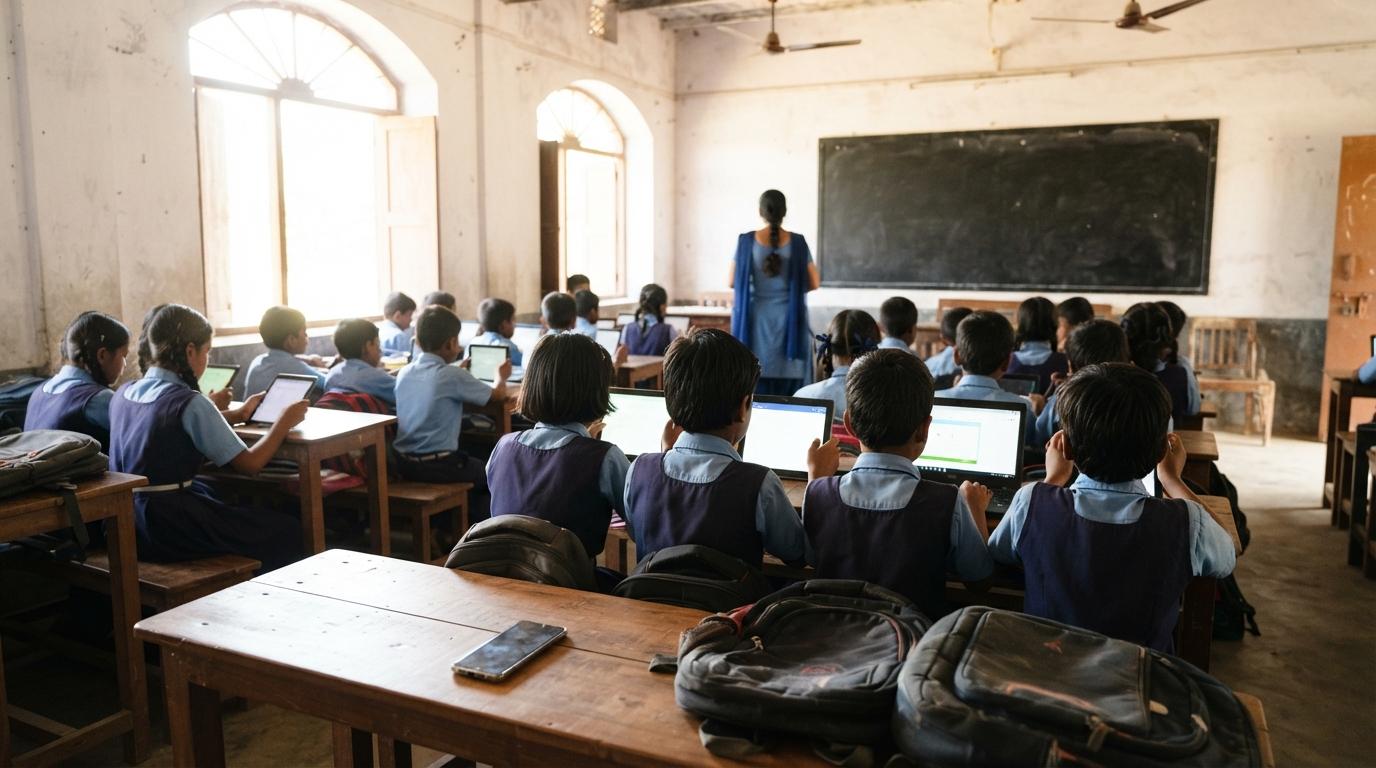
In the week of October 19-25, 2026, the Supreme Court said the right to internet for access and use is protected as a fundamental right under Article 21 read with Article 19(1)(a) of the Constitution. The Court paired that finding with directions for a full system to detect, remove and report child sexual exploitation and abuse material, known as CSEAM, on social media platforms. Access was affirmed. Safety was put on removal of harmful material, not on denial of access.
The directions came out of the Court's continuing work on digital safety and platform duties. They call for a National Hash and URL List Database, reporting within fixed time, working grievance redressal, and clear accountability for intermediaries. The Court also said children's safety must come from action against harmful material rather than by cutting children's internet access. The result is twofold: access has constitutional protection, and CSEAM control must work through detection and takedown.
What Right to Internet Means in Practice
For lawyers, the wording matters. Article 19(1)(a) covers speech and expression. Article 21 covers life and personal liberty. The Court held that the right to access and use the internet draws on both. Speech needs a medium. Livelihood, education, health information, access to courts, and access to public services now run through that medium. So a right to access internet goes beyond casual browsing. It covers the ability to learn, to work, to seek help, and to join public discussion.
That reading does not make every internet-related claim absolute. Article 19 allows reasonable restrictions. Life and liberty are shaped by procedure and competing interests. The state can still regulate access. But access now has constitutional status. Any curb needs legal authority, a clear purpose, and a proportionate method. Shutdowns, throttling, filtering, and platform-level blocking will face stricter testing. Orders will have to show why a less intrusive step would not do.
Indian courts had moved in this direction before. Earlier orders on communication curbs had treated internet access as vital for expression, trade, education and legal remedy, and had asked for published orders and review. The October ruling states the position directly. It says access to internet is a fundamental right under Articles 19(1)(a) and 21 read together. Trial courts, High Courts, administrators and companies will use that sentence as the starting point. The question now is whether a given restriction is lawful and proportionate.
Keep reading — it’s free.
Create a free LawWorld account to finish this piece and unlock the full library of practice guides written for advocates in India.
- Finish every guide, free
- Save articles to read later
- New practice insights weekly
Free forever. No card required.
Comments
Sign in to read the discussion and share your thoughts.
Latest from LawWorld
News
View all- Supreme Court Bars Customs Refund Without Challenge to Self-Assessment15 Nov 2026
- Karnataka High Court Restores GST Appeal Dismissed for 226-Day Delay15 Nov 2026
- Karnataka High Court Holds Adulterer Is Proper But Not Necessary Party in Divorce Plea15 Nov 2026
- Karnataka High Court Quashes SC/ST Act Complaint Against Bharat Forge Chairman Over 11-Year Delay15 Nov 2026
- Karnataka High Court Directs Review of Mental Health Policies for Armed Personnel While Quashing Suicide-Attempt Case15 Nov 2026
Articles
View all- Article 22(2) Clock Starts at Curtailment of Liberty, Not Formal Arrest: Supreme Court in NDPS Bail Case15 Nov 2026
- Supreme Court Upholds Bihar Special Intensive Revision of Electoral Rolls14 Nov 2026
- Seven-Judge Constitution Bench Holds Decades-Old State Sales Tax Surcharge Reference Academic After GST6 Nov 2026