
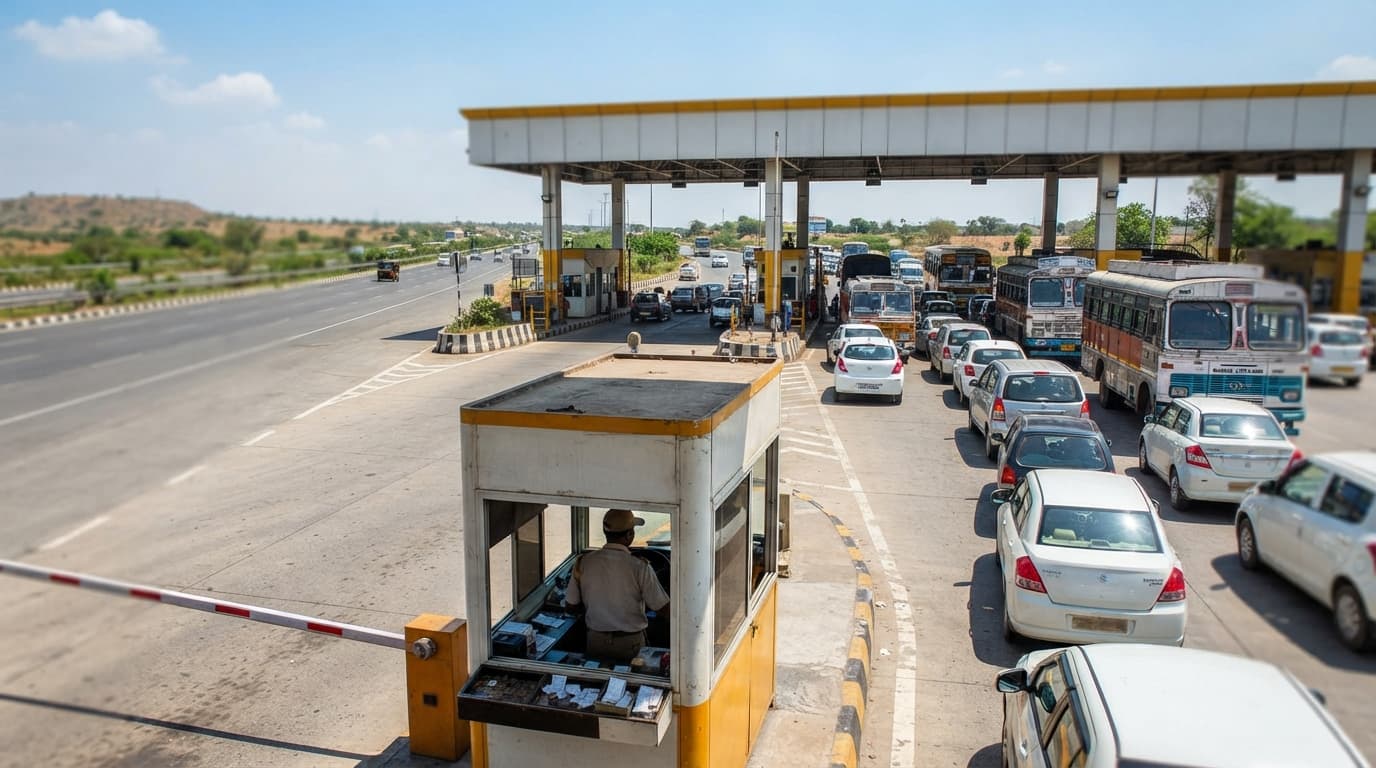
The dispute in Bank of India & Ors. v. S.M. Kamal Pasha & Ors. (2026 INSC 1154) tested a simple question that carries large money consequences under the bankruptcy and insolvency code. Can lenders who have already voted for a resolution plan walk away from that vote because the company got richer while waiting for court approval? The Supreme Court said no. The corporate debtor ran a toll-collection business on National Highway-45. Its resolution plan was valued at about Rs.172.55 crore at a time when the opening cash with the business was about Rs.30 crore. While approval remained pending amid delays including appellate proceedings, cash in the hands of the resolution professional swelled to about Rs.165 crore. The lenders then wanted to withdraw approval and redo the bargain.
Rs.172.55 Crore Plan, Rs.165 Crore Cash Pile
Toll collection businesses are cash-generating by design. Vehicles keep moving, toll keeps coming, even when the operator is in insolvency. That feature sat at the centre of this case. When the successful resolution applicant priced its offer at about Rs.172.55 crore, it did so with reference to the position as it stood then, including an opening cash balance of about Rs.30 crore. The plan went through voting and secured the approval of the committee of creditors. At that stage, under the ordinary course of the Code, the plan was to go to the National Company Law Tribunal for confirmation.
Confirmation did not come quickly. Appellate proceedings and other delays stretched the timeline. The business remained under management of the resolution professional, and toll receipts continued to accumulate. By the time the question of confirmation was still alive, the cash balance had risen to about Rs.165 crore. That is a jump of more than five times the starting cash. For lenders looking at the numbers afresh, the original price began to look too low. They argued that if the plan was allowed to proceed, the successful applicant would pick up that accumulated cash as an unearned gain.
The argument was dressed up as commercial prudence. The lenders said they had approved a plan on one set of economics, and the economics had changed. They sought to withdraw the prior approval before the Tribunal confirmed the plan. In effect, they wanted a second chance to bargain for a higher price, or to invite fresh offers that reflected the fatter cash balance.
Keep reading — it’s free.
Create a free LawWorld account to finish this piece and unlock the full library of practice guides written for advocates in India.
- Finish every guide, free
- Save articles to read later
- New practice insights weekly
Free forever. No card required.
Comments
Sign in to read the discussion and share your thoughts.
Latest from LawWorld
News
View all- Supreme Court Bars Customs Refund Without Challenge to Self-Assessment15 Nov 2026
- Karnataka High Court Restores GST Appeal Dismissed for 226-Day Delay15 Nov 2026
- Karnataka High Court Holds Adulterer Is Proper But Not Necessary Party in Divorce Plea15 Nov 2026
- Karnataka High Court Quashes SC/ST Act Complaint Against Bharat Forge Chairman Over 11-Year Delay15 Nov 2026
- Karnataka High Court Directs Review of Mental Health Policies for Armed Personnel While Quashing Suicide-Attempt Case15 Nov 2026
Articles
View all- Article 22(2) Clock Starts at Curtailment of Liberty, Not Formal Arrest: Supreme Court in NDPS Bail Case15 Nov 2026
- Supreme Court Upholds Bihar Special Intensive Revision of Electoral Rolls14 Nov 2026
- Seven-Judge Constitution Bench Holds Decades-Old State Sales Tax Surcharge Reference Academic After GST6 Nov 2026