
Justices J.B. Pardiwala and K. Vinod Chandran quashed the corruption case pending before the special court in Chennai against Assistant Commissioner P. Kathirvel and Examiner S. Gugan. They set aside the lower court's orders and allowed the appeal in the quashing of criminal proceedings stemming from a 2012 Central Bureau of Investigation case.
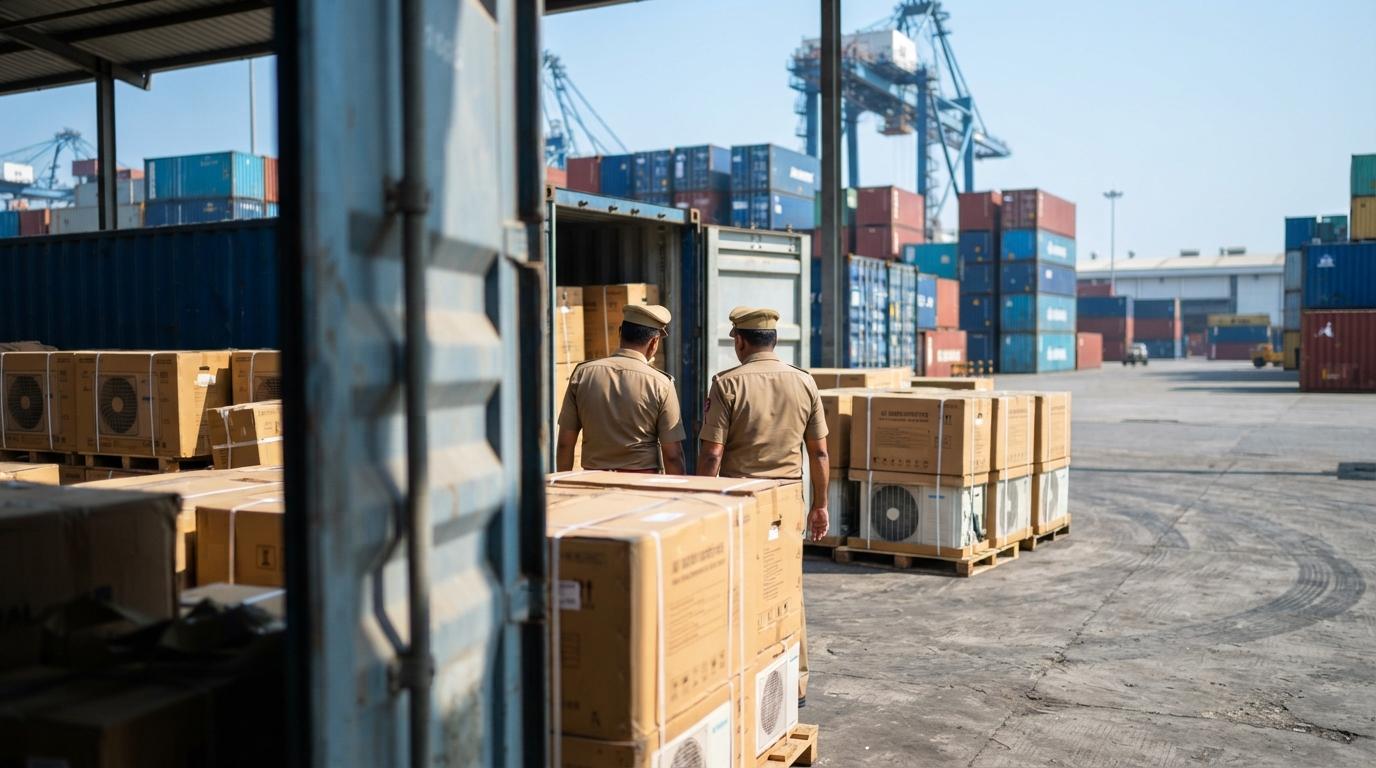
It started with Bills of Entry in which an importer showed complete air conditioning units as parts of air conditioners. The Central Bureau of Investigation said the two officers facilitated that misdeclaration. The Court found no substantial evidence of conspiracy or dishonest intention against them.
Kathirvel, the Court said, only assessed on the basis of documentation supplied by the importer. Physical examination of the goods rested with a different unit. Nothing showed he had deviated from official duty in a way that implied criminal culpability. Failure to conduct random checks cannot support prosecution under the prevention of corruption law, the Court said. Such lapses call for departmental disciplinary procedure, not a criminal trial.
Sanction reversed without fresh material
The problem with Gugan was prosecution sanction. The competent authority examined the material placed by the Central Bureau of Investigation and declined sanction. It later granted sanction on the identical set of documents, with no new evidence or changed circumstances. A sanctioning authority cannot revisit its own refusal on a whim or a mere change of opinion, the Court said. Unless fresh, material evidence is placed on record, the initial refusal must hold. The sanction failed on that ground, removing the basis for the trial against him.
Queries seek assistance, not opposition
During the hearing the bench had sought clarification on standard customs clearance procedures. A Senior Advocate appearing in the matter took umbrage at those questions and repeatedly accused the judges of denying a fair hearing. The judgment said such queries are intended to solicit assistance, which it described as a vital component of the justice delivery mechanism, and not to challenge the client's position.
"It would be always in the fitness of things to carry on the assistance in a non-acrimonious mood, which the majority of the Bar realise, and do not place the Courts in an adversarial role," the bench said. It spoke of a tendency among a minority of practitioners to respond acrimoniously to questions from the bench.
Despite the friction, the bench perused the voluminous case records on its own initiative to ensure the officers were not prejudiced by their counsel's demeanour. Justice Pardiwala said during pronouncement that the bench had deliberated extensively before reaching consensus to allow the appeal. "We realise that there is an aggrieved litigant behind, who shall not suffer," the bench said. The Court limited its findings on culpability to the two officers. Proceedings against the importer who allegedly orchestrated the misdeclaration remain separate.
Comments
Sign in to read the discussion and share your thoughts.
Latest from LawWorld
News
View all- Karnataka High Court Directs SBI To Pay Daily Compensation For Lost Title Deeds27 Nov 2026
- Supreme Court Declines To Stay Bombay High Court Interim Order On Goa ST Assembly Reservation27 Nov 2026
- Supreme Court Dismisses Plea To Remove Videos Of Italian Politician's Remarks At Bharat Summit27 Nov 2026
- Supreme Court Orders Lighting Of Karthigai Deepam At Thirupparankundram Deepathoon, Suspends Trustees27 Nov 2026
- Supreme Court Grants Four-Week Interim Bail To AAP Leader Deepak Singla In Money Laundering Case27 Nov 2026