
The Karnataka High Court has set aside a Special Court order rejecting former JD(S) MP Prajwal Revanna's plea for statutory bail in the obscene video recording case. The bench said he was entitled to seek default bail after the investigating agency failed to file the chargesheet within the stipulated period.
Justice M Nagaprasanna passed the order in the case registered over the recording of obscene videos. The court held the ground for statutory bail was made out, as the chargesheet had not been filed in time.
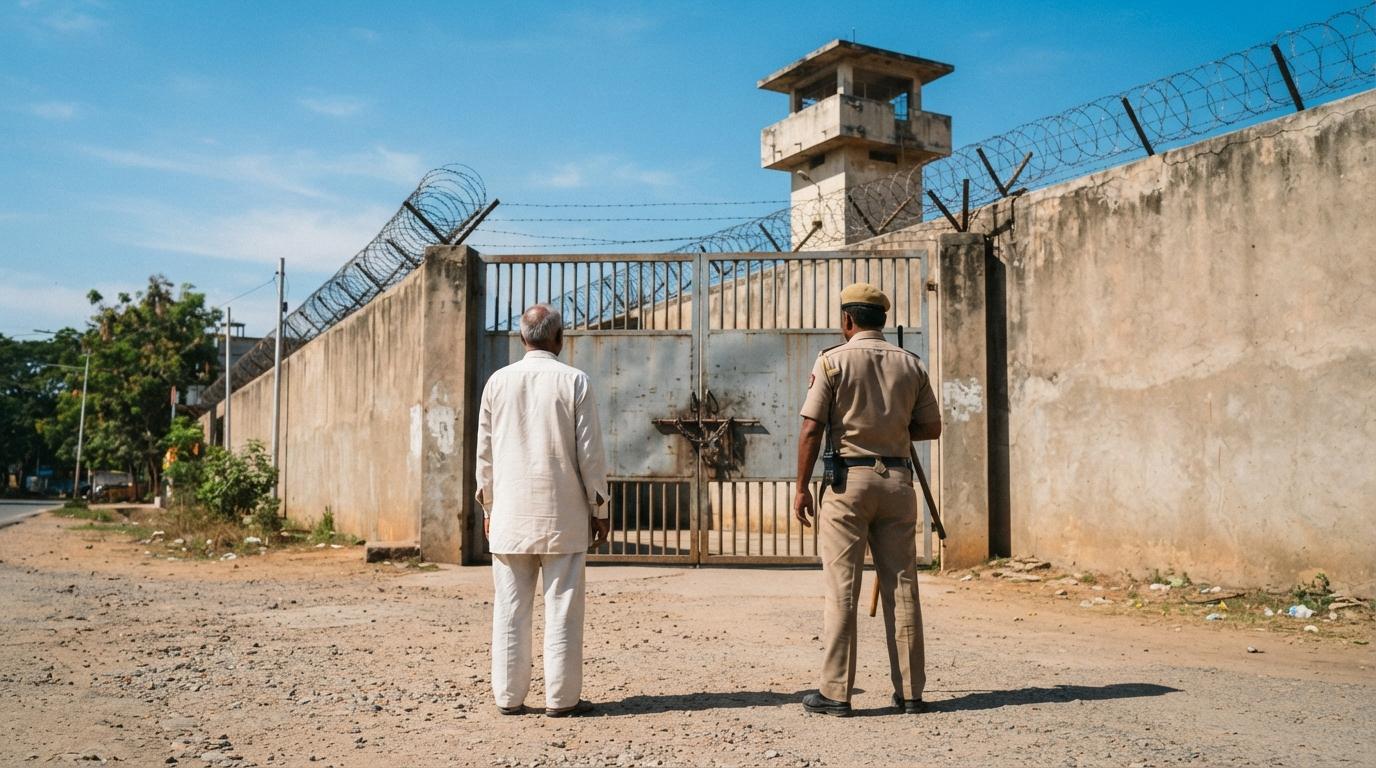
Revanna remains lodged in Bengaluru's Parappana Agrahara Central Prison. The court said this relief will not free him, since he has already been convicted in a separate rape case and is serving a life sentence.
He faces multiple criminal cases after explicit videos involving him surfaced ahead of the 2024 Lok Sabha elections. A pen drive containing the videos was circulated before the polls.
Life sentence in separate rape case
On August 2, 2025, a special court in Bengaluru sentenced Revanna to life imprisonment for raping a 47-year-old domestic worker. The court also imposed a fine of Rs 11 lakh and ordered the amount to be paid to the survivor as compensation.
That case was registered at the Criminal Investigation Department's Cyber Crime Police Station. The survivor had accused Revanna of raping her on two occasions and recording the acts.
On December 3, 2025, the High Court rejected his plea seeking suspension of the life sentence and interim bail in the rape case. The court cited the gravity of the offence and the risk of witness tampering, noting that several other sexual abuse cases were pending against him.
In December 2025, Revanna approached the Supreme Court seeking transfer of the rape case to another judge over allegations of bias. His earlier pleas for such transfer had been rejected by the trial court and the High Court.
Comments
Sign in to read the discussion and share your thoughts.
Latest from LawWorld
News
View all- Supreme Court Refers SARFAESI Priority Dispute With Depositor Law To Larger Bench27 Nov 2026
- Supreme Court Rules Mere Objections In Protest Petition Are Not A Complaint27 Nov 2026
- Supreme Court Quashes Bihar Remission To Anand Mohan In IAS Officer Murder Case27 Nov 2026
- Supreme Court Acquits Rape Accused For Lack Of Medical Evidence27 Nov 2026
- Supreme Court Mandates Separate Hexagonal Warnings For Fat, Sugar, Salt26 Nov 2026