
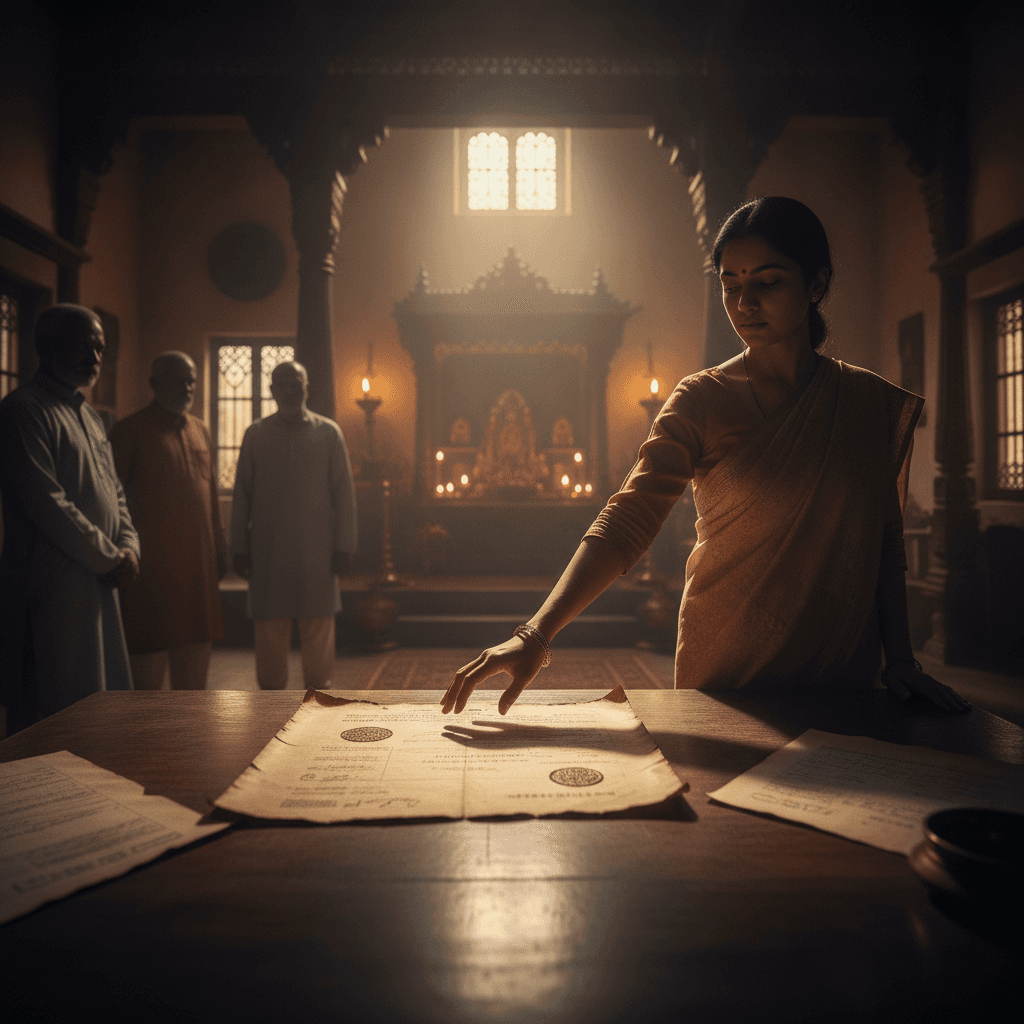
Daughters’ Coparcenary Rights: Vineeta Sharma, Earlier Inheritance and Partitions
LawWorld
Inheritance and coparcenary are different rights
It is incorrect to say that daughters were excluded from the class of heirs until 2005, or that they inherited only after sons. Daughters were already Class I heirs under the Hindu Succession Act, 1956. The central-law position before the 2005 amendment distinguished that inheritance right from the status of a coparcener by birth in a Mitakshara joint Hindu family. Earlier State reforms also need consideration in a historical dispute.
For example, a daughter could inherit a share in her father's interest on intestate succession under the earlier law, even though she did not have the same birthright as a son under the unamended central Section 6. The distinction is explained in Vineeta Sharma v. Rakesh Sharma, decided on 11 August 2020, including paragraphs 53–55.
Keep reading — it’s free.
Create a free LawWorld account to finish this piece and unlock the full library of practice guides written for advocates in India.
- Finish every guide, free
- Save articles to read later
- New practice insights weekly
Free forever. No card required.
Comments
Sign in to read the discussion and share your thoughts.
Latest from LawWorld
News
View all- Supreme Court Bars Customs Refund Without Challenge to Self-Assessment15 Nov 2026
- Karnataka High Court Restores GST Appeal Dismissed for 226-Day Delay15 Nov 2026
- Karnataka High Court Holds Adulterer Is Proper But Not Necessary Party in Divorce Plea15 Nov 2026
- Karnataka High Court Quashes SC/ST Act Complaint Against Bharat Forge Chairman Over 11-Year Delay15 Nov 2026
- Karnataka High Court Directs Review of Mental Health Policies for Armed Personnel While Quashing Suicide-Attempt Case15 Nov 2026
Articles
View all- Article 22(2) Clock Starts at Curtailment of Liberty, Not Formal Arrest: Supreme Court in NDPS Bail Case15 Nov 2026
- Supreme Court Upholds Bihar Special Intensive Revision of Electoral Rolls14 Nov 2026
- Seven-Judge Constitution Bench Holds Decades-Old State Sales Tax Surcharge Reference Academic After GST6 Nov 2026