
Karnataka High Court Orders Safety Overhaul for Bengaluru's Illegal PG Accommodations
The Karnataka High Court has ordered sweeping safety directives for paying guest accommodations across Bengaluru after the Greater Bengaluru Authority reported that approximately half of the 5,000 PG facilities inspected in Bengaluru East were operating without proper licences, sanctioned building plans, and fire safety clearances. Justice Suraj Govindaraj, hearing petitions filed by the Paying Guest Owners Association and individual PG owners challenging notices issued by authorities, directed a comprehensive regulatory framework to protect residents and the wider public from safety failures.
The GBA found 2,500 PG accommodations in Bengaluru East functioning without required approvals. The inspection drive, initially conducted within Bengaluru East Corporation, has now been expanded to the remaining four corporations across the city. The court's September 10 order mandates that PG establishments operate only from legally permissible premises and are maintained in a manner that safeguards the life, health, safety and dignity of occupants.
Justice Govindaraj stressed the need for continuous enforcement considering the large number of people living in such facilities and the potential consequences of safety failures. The regulatory framework must also protect neighbouring residents, adjoining property owners and the wider public, the court said. Notices are being issued to the owners of all establishments found in violation.
Fire Safety and Electrical Standards
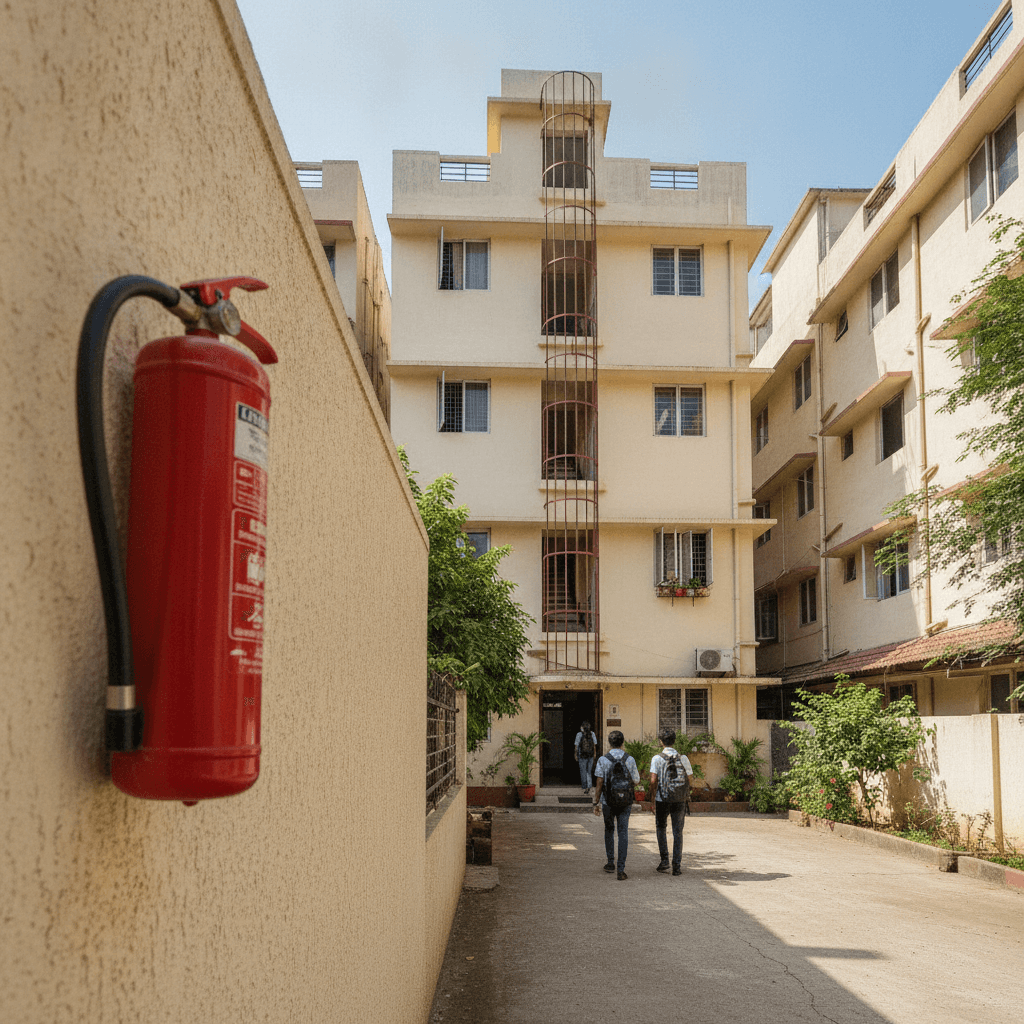
Fire safety emerged as a primary concern in the court's order. The court prohibited the storage of LPG cylinders in staircases, corridors, or sleeping areas and directed strict inspection of electrical panels, earthing, and circuit protection systems. Where there is immediate danger to life, fire safety measures must be implemented without waiting for routine proceedings, the bench stated. These directives apply across all PG accommodations regardless of size or occupancy type.
Security for Vulnerable Residents
The court mandated enhanced security arrangements for PGs accommodating women or vulnerable persons. These must include controlled entry systems, visitor verification procedures, functioning locks on all rooms, emergency communication facilities, and closed-circuit television in common areas. Security guards, cooks, and other staff must undergo police verification before employment. The requirement for staff verification extends to all personnel with access to resident areas, establishing a baseline for background checks across the accommodation sector.
Digital Database and Coordination
To strengthen oversight, the court directed authorities to establish a unified digital database of PG accommodations across Bengaluru. This database would facilitate better coordination among multiple government departments responsible for different aspects of PG regulation. The court emphasised the need for a mechanism to ensure departments work together rather than in silos, addressing compliance gaps that currently allow illegal operations to flourish.
The unified database would create a single source of truth regarding which accommodations are licensed, which violations have been identified, and what enforcement actions are pending. Such a system would prevent PG operators from evading scrutiny by moving between jurisdictions or exploiting gaps in inter-departmental communication.
Personal Liability for Officials
A significant aspect of the court's order addresses accountability among government officials. The court made clear that if there are violations by PG owners or operators and no action is taken by the concerned officers, they would be personally liable for any untoward incident that may occur. This provision shifts the burden of responsibility from the institution to individual officials, creating direct incentives for rigorous enforcement.
The personal liability clause is intended to eliminate bureaucratic inaction and ensure that violations documented during inspections translate into actual enforcement measures. Officials who fail to act on identified breaches face potential liability for consequences that follow from their inaction.
Compliance Requirements
The court's order encompasses multiple dimensions of PG operations beyond fire and electrical safety. Building compliance, zoning regulations, food safety standards, and structural integrity all fall within the scope of required compliance. PG establishments must meet the same regulatory standards as other residential properties, with no exceptions for smaller or informal operations.
The court recognised that the current regulatory framework had failed to address the proliferation of illegal PGs. Many accommodations were operating in violation of multiple requirements simultaneously—lacking proper building sanctions, fire clearances, food safety approvals, and operational licences. This multi-layered non-compliance suggested systemic failures in inspection and enforcement mechanisms.
Expansion Across All Five Corporations
While the initial inspection drive focused on Bengaluru East Corporation, the court's directives apply across all five corporations in Greater Bengaluru. The GBA has been directed to expand inspections and enforcement actions to the remaining four corporations, suggesting that illegal PG operations are not confined to the East zone. If 50 percent of inspected PGs in one zone are operating illegally, similar proportions likely exist elsewhere, indicating a systemic issue requiring coordinated enforcement across all municipal jurisdictions.
Status Report Due September 28
The court adjourned the matter to September 28, 2026, with the GBA directed to file a status report detailing the number of PGs identified across all five corporations, the violations found, and the action initiated against such breaches. This deadline requires authorities to demonstrate concrete progress in implementing the court's directives within two weeks.
The status report will serve as the basis for the next hearing and will determine whether the court needs to issue further directions or modify its approach. The court's expectation is that authorities will have initiated enforcement action against the identified illegal establishments and begun implementing the safety requirements outlined in the order.
For PG owners and operators, the order signals that the window for operating without proper approvals is closing. Notices are being issued to all identified illegal establishments, and enforcement action is expected to accelerate. For residents living in PGs, the court's emphasis on fire safety, security, and health standards reflects judicial recognition that these accommodations house a vulnerable population deserving of heightened protection.
Comments
Sign in to read the discussion and share your thoughts.